-

-
-
Product

Solutions
One app, all things legal

Compare
-
-
-

 Gmail
Gmail  Microsoft 365
  Wisetime
  Dropbox
  Zapier
  Quickbooks
  vs CosmoLex
  vs PracticePanther
  vs AbacusNext
  vs Caret Legal
  vs Clio
  vs MyCase
  vs Smokeball
  vs Filevine


How Lawcus Users Can Improve Intake and Turn More Leads Into Matters
9th June 2026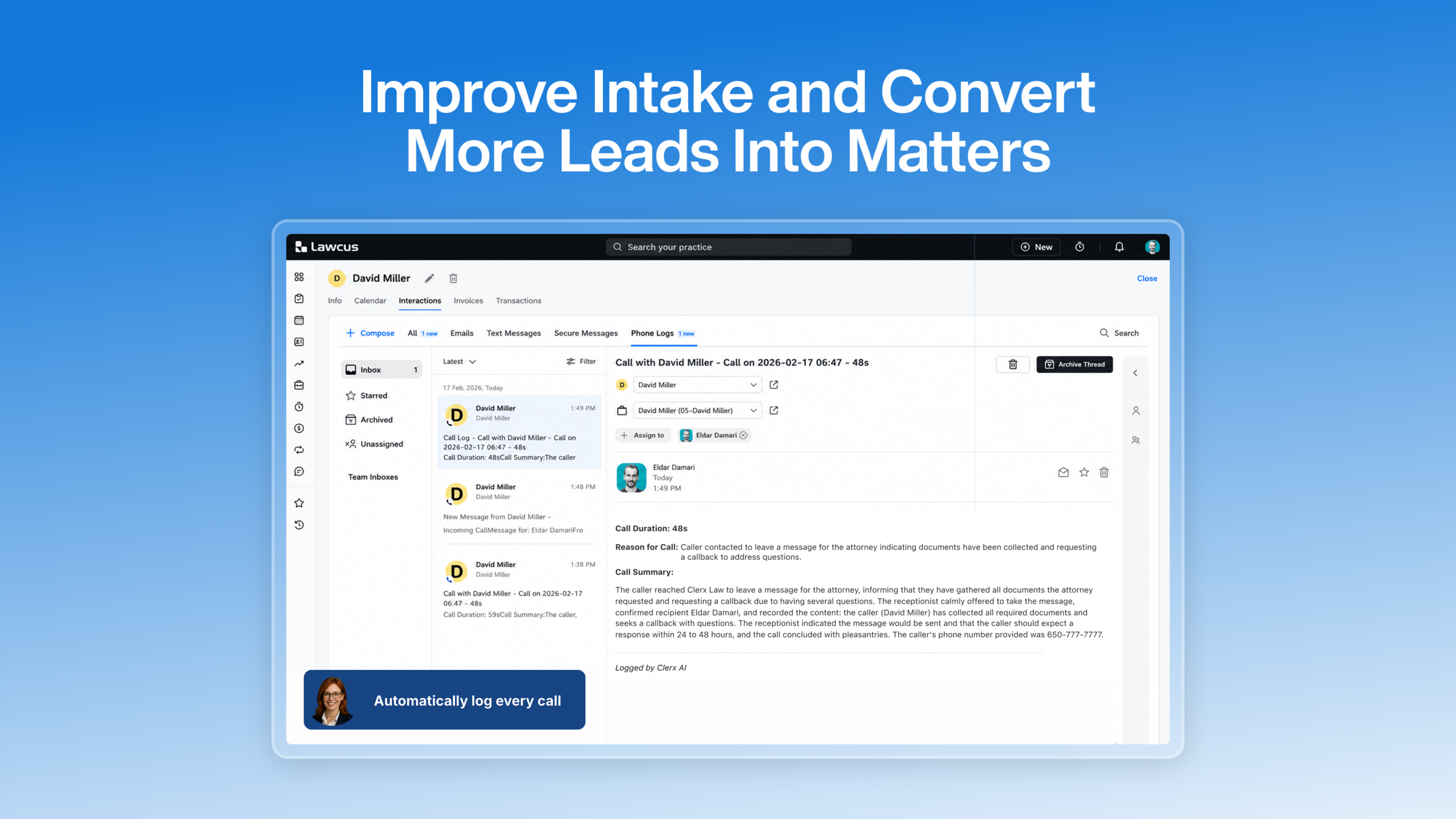
Many law firms invest significant time and money into building an organized practice. They implement software, standardize workflows, improve internal processes, and work hard to deliver excellent client service.
But even firms with strong internal systems often miss a major source of growth: what happens before a matter is opened.
That is where intake comes in.
For Lawcus users, intake is not just an administrative step before the real work begins. It is the process that determines whether the right potential clients move smoothly from first contact into your firm’s workflows, consultations, and eventually, matters.
When intake is handled well, firms can respond faster, qualify leads more consistently, reduce friction for prospective clients, and make better use of the tools they already have inside Lawcus.
When intake is inconsistent, even the best internal systems can feel harder to use than they should.
Why intake matters more than many firms realize?
Most firms do not lose opportunities because they lack legal skills. They lose opportunities because the first client interaction is too slow, too fragmented, or too manual.
That can happen in simple ways:
- a call comes in after hours and goes to voicemail
- a prospective client fills out a form but waits too long for a response
- a consultation link exists, but nobody guides the person to book
- staff collect information inconsistently
- a lead reaches the firm, but the next step is unclear
- attorneys receive incomplete context before the consultation
None of these issues necessarily reflect a problem with the platform. More often, they reflect a problem with the intake process around the platform.
That distinction matters.
Lawcus already gives firms a strong foundation for managing leads, workflows, appointments, communications, and matters. But like any good system, it performs best when the information and actions entering it are timely, structured, and consistent.
Strong intake also depends on a clear handoff between prospect follow-up and active matter work. This guide to CRM and practice-management workflows explains what each system should manage and where disconnected tools create gaps.
This is exactly why intake belongs in the same broader conversation as:
- Why Intake Is More Than a Phone Function: It Is a Law Firm Growth System,
- What Is a Good Intake Call for a Law Firm? Best Practices to Improve Client Conversion,
- The Complete Guide to Perfecting Law Firm Intake in 2026, and The Complete Guide to Perfecting Law Firm Intake in 2025.
What strong intake actually looks like
Many firms think of intake as a form or a phone call.
In practice, strong intake is a system.
It starts the moment a potential client reaches out and continues until that person is either scheduled, routed correctly, or clearly identified as not a fit.
A strong intake process usually does six things well:
- responds or acknowledges inquiries quickly
- captures structured information the team can use
- screens for fit, urgency, geography, and practice area
- makes the next step clear
- routes the lead into the right workflow
- gives attorneys and staff enough context to follow up confidently
This is where firms often create either momentum or friction.
A good intake process helps the prospective client feel guided. It also helps the firm stay organized without relying too heavily on memory, manual notes, or inconsistent handoffs.
That broader systems view also shows up in The Law Firm Marketing Funnel: How to Turn More Leads Into Clients, Legal Marketing in 2026: Why Visibility Alone No Longer Wins Clients, and The Hidden Cost of Poor Communication for Small & Midsize Law Firms. Firms often assume they have a marketing problem when the real friction is sitting between inquiry and consultation.
How Lawcus users can get more value from their intake workflows
One of the strengths of Lawcus is that much of the infrastructure needed for effective intake is already there.
Lawcus users can manage leads, create intake forms, automate workflows, schedule appointments, and organize next steps within one system. That creates a real opportunity: not just to collect inquiries, but to build a more intentional and measurable intake process.
Here are a few practical ways Lawcus users can improve intake.
Shorten the time between inquiry and response
Speed matters more than many firms think.
A prospective client who reaches out is often contacting multiple firms. In many practice areas, the first firm to respond clearly and confidently has a major advantage.
That does not mean every inquiry needs immediate legal analysis. It does mean every inquiry should get a timely response or acknowledgment.
For Lawcus users, this can mean:
- reviewing how quickly new inquiries are seen
- making sure forms and call-driven inquiries have a defined follow-up path
- reducing delays between inquiry, qualification, and scheduling
- creating a consistent process for after-hours and overflow situations
A faster front-end response often improves conversion without requiring major changes to the underlying platform.
If your firm wants to understand just how costly delayed response can be, The Hidden Cost of Missed Calls: How Law Firms Lose Revenue Before Intake Even Begins, The After-Hours Gap: Why Law Firms Lose Clients After 5 PM (and How to Fix It), and Legal Answering Services in 2026: Which Option Is Right for Your Practice? are useful companion reads.
Capture the right information, not just more information
One common intake mistake is collecting too little information. Another is collecting too much, too early.
Both create problems.
If staff or forms gather too little, attorneys spend time chasing basics later. If the process asks for too much at the first step, prospective clients may disengage before they ever schedule.
The goal is to capture the information that helps move the matter forward.
That usually includes:
- contact details
- practice area or type of legal issue
- basic facts needed to assess fit
- urgency or timing
- geography or jurisdiction
- whether the person is ready to schedule
Lawcus users can benefit from reviewing whether their forms, intake notes, and workflows are collecting information that is actually useful for the next step, rather than information that simply feels comprehensive.
This is one reason What Is a Good Intake Call for a Law Firm? Best Practices to Improve Client Conversion and The Complete Guide to Perfecting Law Firm Intake in 2026 are so relevant for firms refining intake design.
Make qualification more consistent
Qualification is one of the most important and least standardized parts of intake.
Without a clear qualification process, firms often run into familiar problems:
- non-fit inquiries take up too much staff time
- good leads sit too long before moving forward
- different team members ask different questions
- attorneys go into consultations without enough context
A better approach is to define a few consistent qualification criteria at the intake stage.
These may include:
- Does this appear to be within the firm’s practice area?
- Is the matter in the right jurisdiction?
- Is there enough urgency or substance to justify a next step?
- Is the person ready to book or still gathering information?
- Are there any obvious reasons the lead may not be a fit?
For Lawcus users, the value is not only better lead handling. It is also cleaner downstream workflows, because the right leads enter the system with better structure from the beginning.
This operations-first view of intake is also reflected in How AI Intake Helps Law Firms Scale Without Adding Overhead, Economic Resilience Starts With Your Phone: Turning Intake Into a Profit Engine, and Why Law Firms Get Ghosted and How to Fix It.
Make scheduling part of intake, not a separate process
A consultation is much more likely to happen when it is scheduled during the initial momentum of the inquiry.
Too many firms treat scheduling as something that happens later, after extra emails, phone tag, or internal review. That delay often leads to drop-off.
A stronger approach is to treat scheduling as a natural part of intake whenever appropriate.
That means asking:
- When should a qualified lead be offered a consultation?
- Who is responsible for moving them to booking?
- What happens if they do not book immediately?
- What information should be captured before the consultation happens?
Lawcus users who connect intake steps more closely to scheduling often create a smoother experience both for staff and for prospective clients.
This same issue appears throughout Mastering Law Firm Intake in 2025: Turn First Calls Into Clients, How AI Intake Helps Law Firms Scale Without Adding Overhead, and Why Law Firms Get Ghosted and How to Fix It.
Build a better handoff from intake to the legal team
One of the most overlooked parts of intake is the handoff.
Even when firms answer quickly and schedule effectively, internal friction can still appear if the attorney receives incomplete or inconsistent information before the consultation or first meeting.
A strong handoff should make the next step easier, not harder.
That usually means the attorney or team member receiving the matter has:
- the key facts already captured
- a clear understanding of why the lead may be a fit
- relevant notes from the initial interaction
- visibility into where the lead is in the process
- confidence about what should happen next
This is where disciplined intake design can make the rest of the Lawcus workflow more effective.
It is also why intake should be reviewed alongside broader growth and communication content like Why Intake Is More Than a Phone Function, The Hidden Cost of Poor Communication for Small & Midsize Law Firms, and The Law Firm Marketing Funnel: How to Turn More Leads Into Clients.
Define what happens when the lead does not move forward immediately
Not every lead books on the first interaction, nor is every form completed, nor does every consultation happen as planned.
That is normal. What matters is whether the firm has a structured follow-up process or relies on someone remembering to circle back.
A stronger intake system defines those paths in advance.
For example:
- If someone calls but does not book, what happens next?
- If a form is submitted after hours, when and how is it reviewed?
- If a consultation is booked, what reminders go out?
- If someone no-shows, is there a re-engagement process?
- If a lead is not a fit today, is there a proper way to close the loop?
These are operational questions, but they have real revenue impact.
Firms that want to understand the broader client-journey implications should also read How ChatGPT and AI Search Engines Understand Your Law Firm’s Website (And How to Optimize), and Mastering Owned Media for Law Firms in 2026. Visibility matters, but so does what happens when someone finally reaches out.
A practical intake audit for Lawcus users
For firms that want to improve intake, it helps to start with a simple internal audit.
Ask:
- Where do most inquiries come from?
- Which channels convert best?
- How quickly are new inquiries answered?
- What happens after hours?
- What information is collected consistently?
- At what point does a lead enter Lawcus?
- How often do attorneys receive incomplete intake context?
- Where do prospects tend to drop off?
- How often do qualified leads fail to book?
- What parts of follow-up depend too heavily on manual effort?
Even a short review of these questions often reveals where the intake process can become more reliable.
The intake metrics worth watching
Many firms either track too much or not enough.
A better approach is to focus on a small set of intake metrics that reflect both responsiveness and conversion.
Useful metrics may include:
- call answer rate
- time to first response
- inquiry-to-qualified-lead rate
- consultation booking rate
- consultation show rate
- lead-to-client conversion rate
- percentage of intakes missing key information
- conversion by source or channel
For Lawcus users, these kinds of metrics can help turn intake from a vague administrative function into a more measurable and improvable part of firm operations.
This is also where intake and marketing finally connect in a useful way. Legal Marketing in 2026: Why Visibility Alone No Longer Wins Clients makes that point clearly: traffic and lead volume only matter if the firm has a reliable system for converting the attention it creates.
What should remain human
As firms improve intake, it is important to keep the role of judgment in perspective.
Intake can be systematized. It can be made faster, more consistent, and more structured.
But legal advice, legal analysis, final fit decisions, and sensitive judgment calls should remain with the firm.
The purpose of improving intake is not to remove human judgment. It is to make sure attorneys and staff spend more of their time where judgment matters most.
Final thought
For Lawcus users, one of the biggest opportunities is not simply adding more software. It is making better use of the systems and workflows already in place.
When intake is designed well, firms can respond faster, qualify better, schedule more consistently, and create a smoother path from inquiry to matter.
That helps the firm operate more efficiently, and it also creates a better experience for prospective clients at the exact moment first impressions matter most.
For firms that want to strengthen this front end of the client journey, Clerx works alongside Lawcus to support faster, more consistent intake through AI-powered call handling, website chat, consultation booking, and structured information capture.
If you want to see how this could work in practice, you can explore the broader Clerx blog or book a short demo here.
Categories
Automation BlogsBilling & Accounting BlogsGeneral PracticeMarketing BlogsNews & UpdatesPractice Management BlogsRecent Posts
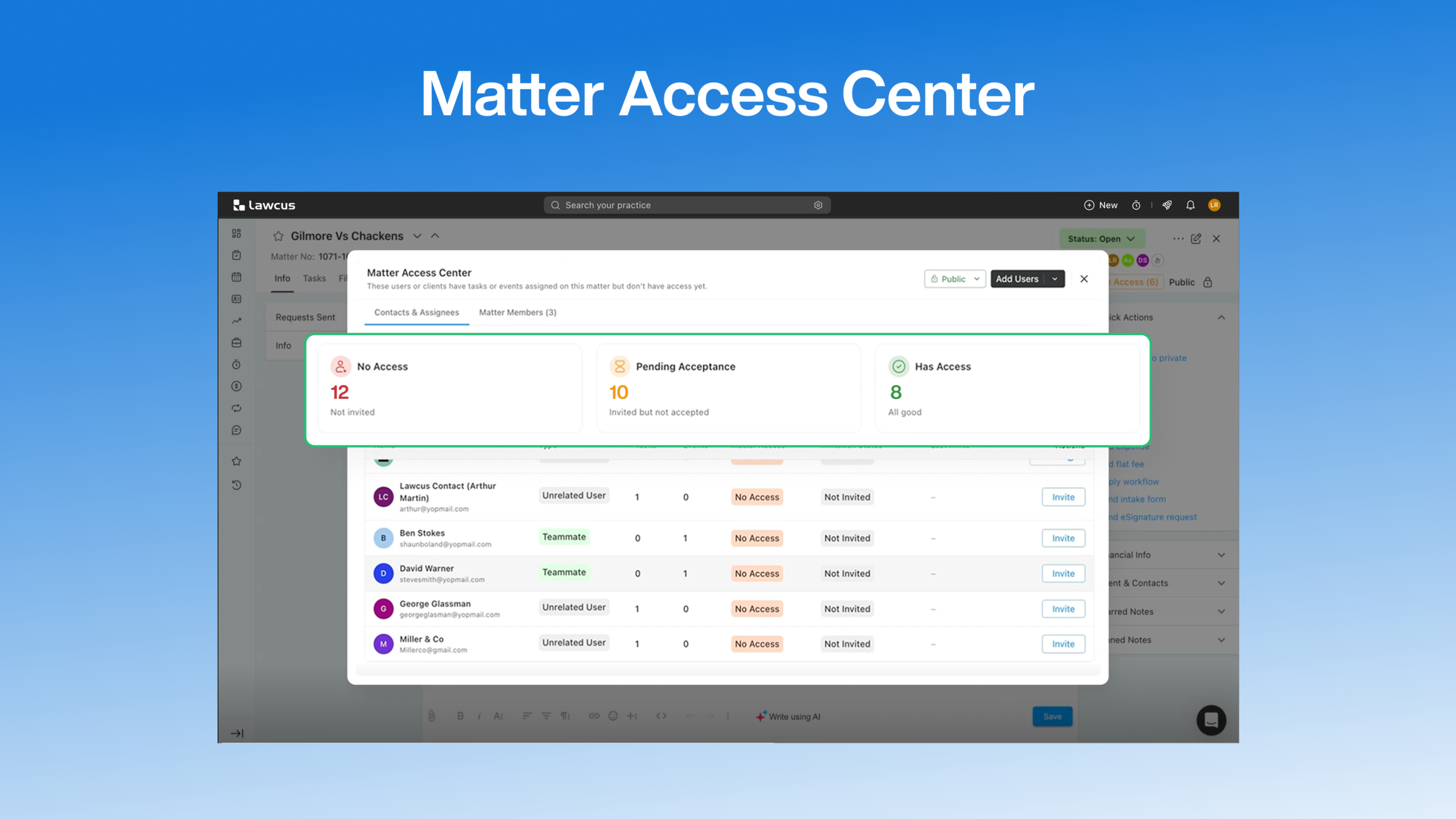
Introducing Matter Access Center: Manage Matter Participants and Access in One Place

Client Portal Communication for Law Firms
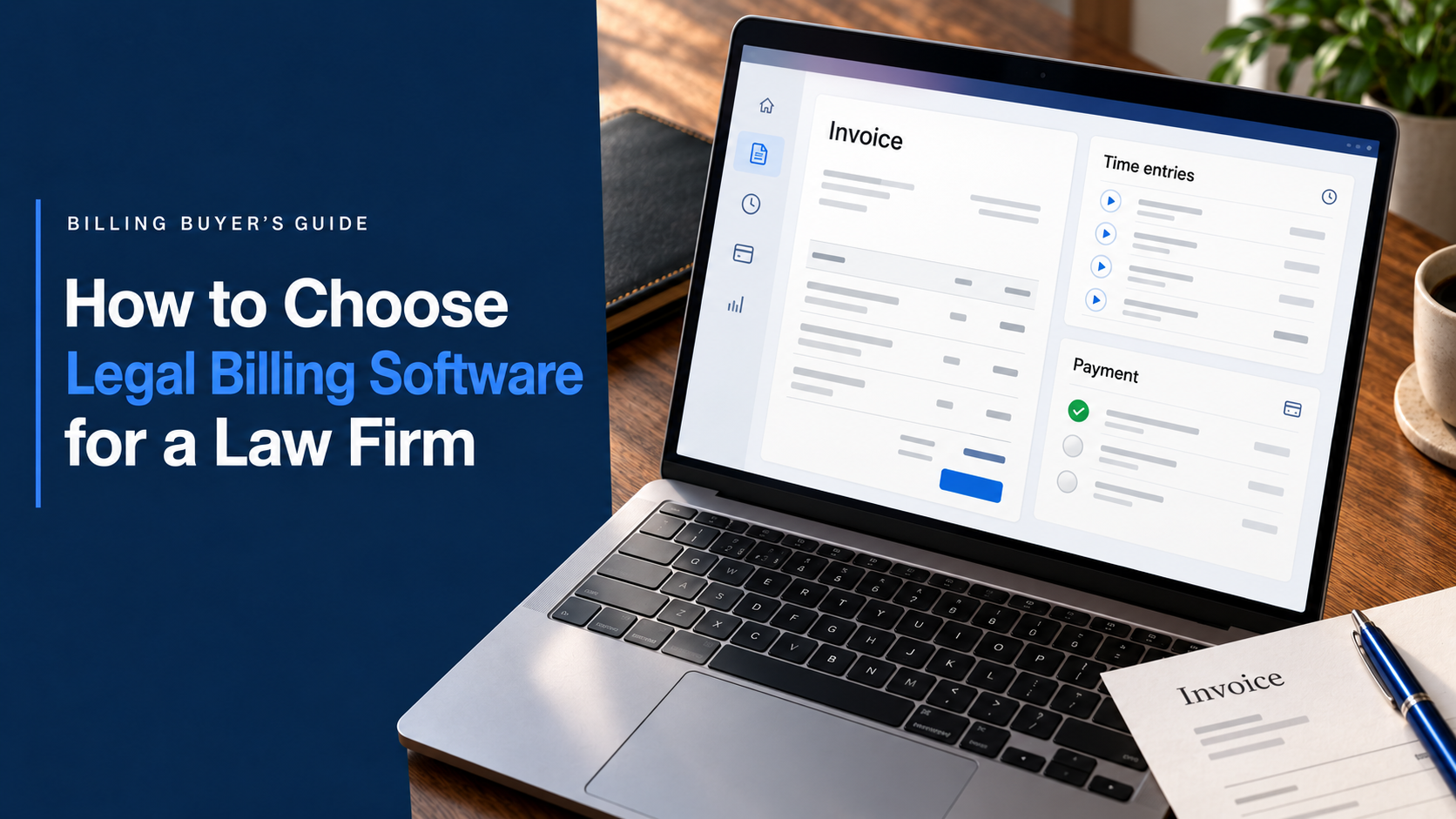
How to Choose Legal Billing Software for a Law Firm
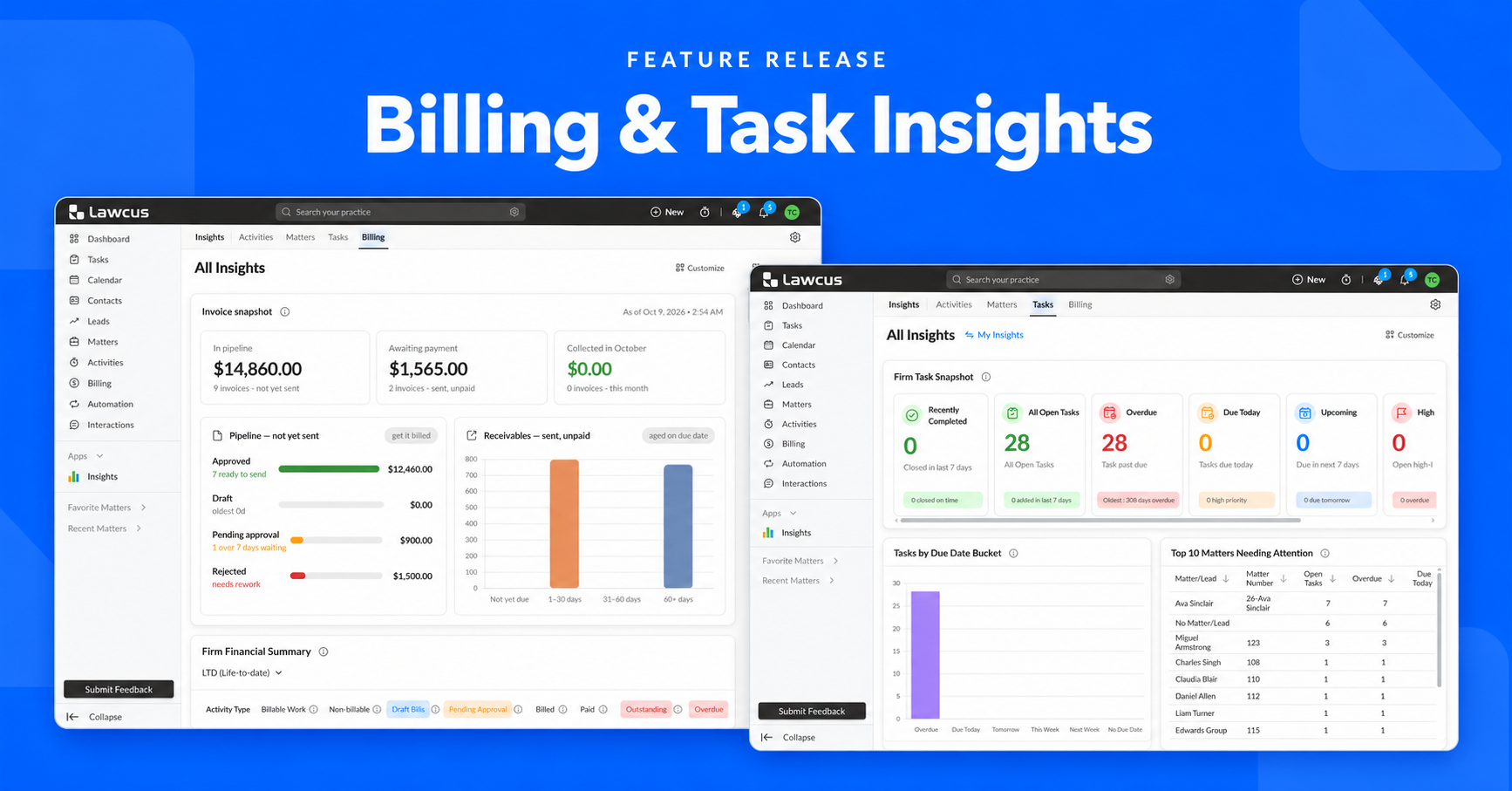
Introducing Billing and Task Insights in Lawcus

Law Firm KPIs: The Metrics Every Managing Partner Should Track
Practice Management
Automation
Client Intake & CRM
Billing & Accounting
Practice Area
Compare
Resources
Lawcus Inc.
4445 Eastgate Mall, Suite 200,
San Diego, CA 92121


